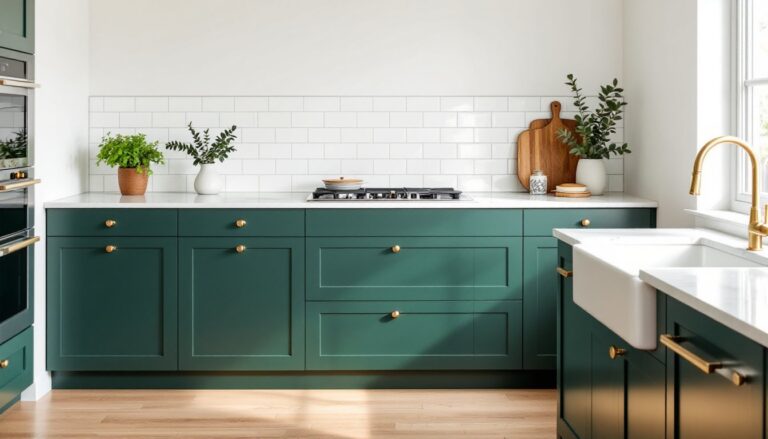
A refrigerator doesn’t have to stick out like a sore thumb in your kitchen. If you’ve walked through a high-end showroom or browsed modern kitchen galleries, you’ve probably seen those sleek, streamlined designs where the fridge just… disappears. That’s the magic of a panel ready refrigerator. Instead of a standard stainless steel box interrupting your cabinetry, panel ready models accept custom front panels that match your exact cabinet finish, creating a truly integrated look. Whether you’re planning a full kitchen remodel or just want to elevate your space without ripping everything out, understanding how these appliances work, and whether they’re right for your project, can save you time, money, and buyer’s remorse.
Table of Contents
ToggleKey Takeaways
- A panel ready refrigerator integrates seamlessly with custom kitchen cabinetry by accepting custom front panels, eliminating the visual break of traditional stainless steel appliances and creating a unified design aesthetic.
- Panel ready models are built-in units that sit flush with standard 24-inch cabinet depth, maximizing floor space and improving traffic flow compared to freestanding refrigerators that protrude 6–8 inches.
- Installation of a panel ready refrigerator requires professional expertise for proper panel alignment, ventilation clearances, and electrical/water line integration, with costs ranging from $4,000–$12,000 before custom panels and labor.
- While a panel ready refrigerator sacrifices 5–8 cubic feet of interior capacity compared to same-width freestanding models, it offers long-term flexibility since panels can be updated without replacing the entire appliance when you reface cabinets.
- Investing in a panel ready refrigerator makes sense for comprehensive kitchen remodels with custom cabinetry, high-end markets where integrated appliances boost resale value, and small kitchens where space efficiency is critical.
- Panel ready options include French door, side-by-side, column, and bottom-freezer configurations, with French door layouts remaining popular for their accessibility and storage capacity.
What Is a Panel Ready Refrigerator?
A panel ready refrigerator (sometimes called a cabinet refrigerator or panel front refrigerator) is a built-in or integrated appliance designed to accept custom cabinet panels on its doors and drawer fronts. Unlike traditional refrigerators that come with finished exterior surfaces, these units arrive with bare metal or plastic faces meant to be covered.
The panels are typically fabricated by your cabinet maker or sourced from the same supplier as your kitchen cabinets. They attach using mounting hardware provided by the refrigerator manufacturer. Once installed, the appliance blends seamlessly with surrounding cabinetry, you see wood grain, laminate, or painted fronts, not appliance branding or metal finishes.
Most panel ready models are also built-in refrigerators, meaning they’re designed to fit flush with standard cabinet depth (24 inches) rather than protruding several inches like freestanding units. This flush installation creates clean sightlines and maximizes floor space, especially in galley or smaller kitchens.
Panel ready options are available in multiple configurations, panel ready French door refrigerators, side-by-side models, bottom-freezer units, and even column refrigerators and freezers that can be installed separately. French door layouts remain popular for their blend of accessibility and storage capacity.
Why Choose a Panel Ready Refrigerator for Your Kitchen?
The primary draw is aesthetic continuity. If you’re investing in custom or semi-custom cabinetry, a panel ready unit lets you carry that design language across every surface. There’s no visual break, just uninterrupted cabinet fronts from wall to wall.
Beyond looks, there are practical reasons:
- Space efficiency: Built-in designs sit flush with countertops and cabinets, reclaiming valuable floor space and improving traffic flow.
- Resale appeal: High-end finishes and integrated appliances are selling points in many markets, particularly in urban areas or upscale neighborhoods.
- Flexibility: You can update your cabinet finish down the road without replacing the entire refrigerator. Repaint or reface your cabinets, swap the panels, and the fridge looks brand new.
- No appliance clutter: Handles, logos, and fingerprint-prone stainless steel disappear. The result feels less “appliance showroom,” more curated kitchen design.
That said, panel ready isn’t for everyone. If you rent, move frequently, or prefer the plug-and-play simplicity of a freestanding model, the added complexity and cost may not justify the payoff.
How Panel Ready Refrigerators Work: Installation and Customization
Installing a cabinet front refrigerator is more involved than sliding a standard unit into place. Here’s what to expect:
Cabinet Panel Fabrication
Your cabinet maker will build door and drawer panels to match your existing cabinetry. These panels must meet specific weight and dimension requirements, check the manufacturer’s spec sheet. Most units accept panels up to ¾-inch thick and between 15–25 pounds per door, depending on hinge capacity.
Panels should be properly sealed and finished on all sides to prevent warping from temperature and humidity fluctuations near the refrigerator.
Mounting Hardware
The refrigerator ships with brackets, hinges, and alignment pins. Panels attach to the door using these factory-provided components. Some brands use concealed European-style hinges: others rely on external mounting plates.
Read the installation manual carefully. Misaligned panels can cause doors to swing unevenly, create gaps, or fail to seal properly, leading to energy waste and condensation issues.
Clearance and Ventilation
Built-in models require specific clearances for ventilation. Most need 1–2 inches at the top and sides to prevent overheating. If you’re retrofitting a space designed for a freestanding unit, you may need to modify cabinetry or add a filler strip.
Electrical and water lines (for ice makers and water dispensers) should be roughed in before installation. Standard 115V outlet placement is typically low and to the side: confirm specs with your electrician.
Professional Installation Recommended
While DIY-capable homeowners can handle this, most manufacturers and contractors recommend professional installation. Built-in units are heavy (often 300+ pounds), and panel attachment requires precise alignment. If your warranty requires certified installation, factor that into your budget.
Panel Ready vs. Standard Refrigerators: Key Differences
Here’s how panel ready models stack up against conventional refrigerators:
| Feature | Panel Ready | Standard Freestanding |
|---|---|---|
| Depth | Counter-depth (24″), flush install | 30–36″, protrudes 6–8″ |
| Exterior Finish | Custom panels applied | Stainless, black, white, etc. |
| Installation | Built-in, often requires pro install | Slide-in, DIY-friendly |
| Price Range | $4,000–$12,000+ | $800–$3,500 |
| Capacity | Typically less (shallower depth) | More interior volume |
| Resale/Design Value | High in upscale markets | Moderate |
| Flexibility | Panels can be updated | Finish is permanent |
Key Consideration: Counter-depth built-ins sacrifice interior capacity. A 36-inch-wide French door panel ready refrigerator might offer 20–22 cubic feet, while a same-width freestanding unit could deliver 27–30 cubic feet. If you cook in bulk or have a large household, this tradeoff matters.
Also, many top-rated built-in refrigerators focus on premium features, dual compressors, air purification systems, precision temperature zones, which may be overkill if you mainly store leftovers and beverages.
Cost Considerations: Are Panel Ready Refrigerators Worth the Investment?
Let’s talk numbers. A quality built in refrigerator panel ready unit starts around $4,000 and can easily reach $10,000–$12,000 for high-end brands with advanced features. Add another $500–$1,500 for custom cabinet panels and professional installation.
For comparison, a premium freestanding French door model runs $2,000–$3,500 fully installed.
When the Investment Makes Sense
- You’re doing a comprehensive kitchen remodel with custom cabinetry already budgeted.
- Your home is in a market where integrated appliances boost resale value.
- You have a small or galley kitchen where every inch of floor space counts.
- You prioritize cohesive design and are willing to pay for it.
When to Think Twice
- You’re on a tight budget or tackling a flip/rental property.
- You need maximum storage capacity and cook for a family of five or more.
- Your kitchen layout doesn’t benefit from flush installation (e.g., the fridge sits in a pantry alcove or separate nook).
- You move frequently or anticipate relocating within a few years.
Operational Costs: Energy efficiency varies by model, but built-ins aren’t automatically more expensive to run. Look for ENERGY STAR® certification and compare annual kWh estimates. Many panel ready units use dual or variable-speed compressors, which can actually reduce energy use compared to older freestanding models.
Maintenance: Parts and service for high-end built-ins can cost more. Budget for an extended warranty if the manufacturer offers one.
Choosing the Right Panel Ready Refrigerator for Your Home
Start by measuring your space, height, width, and depth, and confirming you have the required clearances. Standard widths are 30, 36, and 42 inches: taller households may prefer a panel ready French door refrigerator for easier access to fresh food.
Configuration Options
- French door: Two doors on top, freezer drawer below. Great for families, offers wide shelves for platters and sheet pans.
- Side-by-side: Vertical split. Narrower door swing, useful in tight kitchens.
- Column (separate refrigerator and freezer): Ultimate flexibility in layout: install them side by side or in different zones.
- Bottom-freezer: Single top door, pull-out freezer. Simpler, often less expensive than French door models.
Features to Prioritize
- Adjustable shelving and door bins: Maximizes usability in a shallower interior.
- Humidity-controlled crispers: Extends produce life.
- Ice and water dispenser (internal vs. through-door): Panel ready units often place dispensers inside to preserve the clean exterior. Decide if convenience outweighs aesthetics.
- Smart connectivity: Wi-Fi-enabled models let you monitor temperature, receive maintenance alerts, and adjust settings remotely. Useful but not essential.
Brand and Warranty
Major players include Thermador, Sub-Zero, KitchenAid, Bosch, and JennAir. Read reviews, compare warranties (typical coverage is 1 year parts/labor, 5 years sealed system), and check local service availability. A great fridge isn’t worth much if you can’t get it repaired.
Finally, visit showrooms or browse design inspiration galleries to see installed examples. Photos online can be misleading, seeing a panel ready unit in person helps you understand the finished effect.
Conclusion
A panel ready refrigerator is a statement piece that quietly disappears. It’s the appliance equivalent of a well-tailored suit, expensive, precise, and designed to make everything else look better. If seamless design, space efficiency, and long-term flexibility align with your goals (and your budget), it’s a worthwhile upgrade. But if storage capacity and upfront cost are bigger concerns, a high-quality freestanding model will serve you just as well. Measure twice, price carefully, and choose the option that fits your cooking habits, not just your Pinterest board.