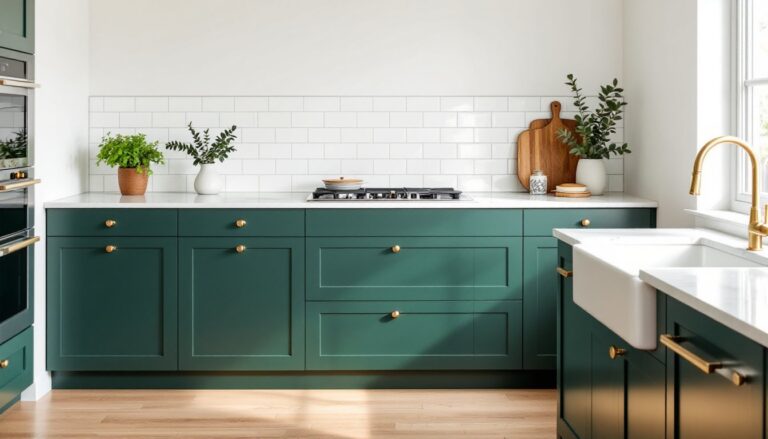
Modern Mexican interior design brings together centuries of artisan tradition with clean contemporary lines. It’s not about sombreros on the wall or mariachi-themed kitsch, this style celebrates vibrant terra cotta hues, hand-crafted textiles, and architectural elements rooted in Spanish colonial and indigenous traditions. Homeowners can achieve this look through thoughtful material choices, strategic color placement, and authentic decorative accents that respect the cultural roots. This guide walks through the essential elements to transform a living room into a space that balances warmth, color, and modern functionality.
Table of Contents
ToggleKey Takeaways
- Modern Mexican style living room design balances vibrant traditional colors like terracotta and cobalt blue with contemporary minimalism and clean lines, avoiding visual clutter.
- Choose a neutral wall base (warm white or creamy beige) and introduce just two to three bold accent colors through textiles, furniture, and one statement piece rather than overwhelming displays.
- Invest in authentic materials—real wood, hand-painted ceramics, woven textiles, and leather upholstery—over mass-produced imitations to honor craftsmanship and create a cohesive modern Mexican aesthetic.
- Incorporate textured wall treatments like Venetian plaster or lime-wash finishes, exposed wooden beams, and talavera tile accents to add architectural depth and authentic character.
- Layer warm lighting with wrought iron fixtures, punched tin pendants, and ceramic table lamps set to 2700K color temperature, avoiding harsh recessed lights that clash with the style’s warmth.
- Mix modern and traditional furniture pieces with visible joinery and natural materials, such as equipal chairs paired with clean-lined sofas, creating visual interest while maintaining restraint.
What Defines Modern Mexican Style in Interior Design?
Modern Mexican style merges traditional Mexican craftsmanship with contemporary minimalism. The aesthetic draws from hacienda architecture, colonial-era design, and indigenous artisan work, but strips away heavy ornamentation in favor of clean lines and edited displays.
Key characteristics include textured plaster walls (often in warm neutrals or bold accent colors), exposed wooden beams, and terracotta tile flooring. Unlike rustic or maximalist interpretations, the modern approach emphasizes negative space and restraint. Think one statement piece of Mexican folk art rather than a gallery wall of every souvenir from a Oaxaca market.
The style respects handmade elements, woven textiles, carved wood, hand-painted ceramics, but displays them with the same curatorial eye you’d apply to mid-century modern furniture. It’s about honoring craft without visual clutter. Materials matter: seek out authentic talavera tile, equipal leather chairs, or sarape blankets rather than mass-produced imitations.
This balance makes modern Mexican style adaptable to various home types, from Southwest adobe houses to urban apartments. The design language translates well when homeowners focus on quality over quantity and let bold color moments breathe against neutral backdrops.
Essential Color Palettes for a Modern Mexican Living Room
Mexican color palettes pull directly from the landscape: burnt orange, deep terracotta, cobalt blue, warm yellow, and magenta. These aren’t timid pastels, they’re saturated, confident hues that work best when balanced with substantial neutral zones.
For walls, consider a base of warm white or creamy beige (think Benjamin Moore’s Adobe Dust or Sherwin-Williams Accessible Beige). This neutral foundation lets accent colors pop without overwhelming the space. One accent wall in a rich terracotta or mustard creates focal points without requiring a full room commitment.
Woodwork and ceiling beams should lean toward natural wood tones or darker stains, walnut or mesquite finishes ground the space. Avoid glossy paint on beams: the goal is texture and authenticity, not a showroom shine.
Textiles bring in secondary colors. A cobalt blue woven throw, magenta embroidered pillows, or a saffron yellow blanket introduce pattern and warmth. Mexican design often combines multiple bold colors in a single space, but they should share similar saturation levels to maintain visual cohesion.
Avoid the temptation to go full-spectrum. Pick two to three bold accent colors plus neutrals. Too many competing hues read as chaotic rather than curated. Test paint samples in different lighting conditions, morning sun will shift how terracotta and yellow appear throughout the day.
Choosing the Right Furniture and Textures
Furniture in modern Mexican living rooms favors natural materials and sturdy construction. Look for pieces with visible joinery, leather upholstery, and hand-carved details, but keep silhouettes simple.
Equipal chairs (traditionally made with pigskin leather and cedar wood) offer authentic Mexican character without overwhelming a room. Pair them with a clean-lined sofa in neutral linen or canvas. Avoid matchy-matchy sets: mixing modern and traditional pieces creates visual interest.
For seating, prioritize low-profile sofas and chairs with exposed wooden legs. Overstuffed sectionals fight the aesthetic. If working with existing furniture, swap out pillows and throws for Mexican textiles, Oaxacan wool, Saltillo sarapes, or hand-loomed cotton in geometric patterns.
Coffee tables should be solid wood or incorporate wrought iron bases. A thick plank of reclaimed mesquite on iron legs works well. Glass tops feel too contemporary and lack the warmth this style requires.
Layering textures prevents the space from reading flat. Combine smooth plaster walls with rough-hewn wood, woven jute rugs, and nubby linen upholstery. A cowhide rug or sheepskin throw adds another tactile layer without pattern competition.
Skip particle board and laminate. This style depends on material authenticity, when budget constraints exist, invest in one quality piece (like a handcrafted coffee table) and fill in with simpler neutral items. The space will read more cohesive than mixing multiple faux-rustic pieces.
Authentic Mexican Decor Elements and Accessories
Accessories bring cultural specificity without requiring structural changes. Talavera pottery from Puebla, recognized by its hand-painted blue, yellow, and green patterns on white backgrounds, works as vase collections or wall plates. Buy from reputable sources: authentic talavera is lead-free and kiln-fired according to traditional methods.
Papel picado (perforated paper banners) adds temporary color for gatherings but isn’t meant as permanent decor. Instead, consider framed vintage lotería cards or Mexican folk art prints. A single large-scale painting or textile hanging creates more impact than a scattered gallery wall.
Woven baskets serve double duty as storage and wall art. Mount them in odd-numbered groupings (three or five) in varying sizes. Oaxacan black pottery provides sculptural interest with its distinctive matte finish and carved geometric patterns.
Rug selection matters. Saltillo tiles work for flooring in some regions, but if installing isn’t feasible, look for flat-weave wool rugs in geometric patterns. These handle foot traffic better than high-pile options and suit the style’s grounded, earthy feel.
Mirrors framed in hammered tin or carved wood reflect light while adding craftsmanship. Avoid modern frameless mirrors, they clash with the tactile, handmade aesthetic.
Plants bridge interior and exterior spaces. Terracotta planters (unglazed) filled with succulents, cacti, or snake plants reinforce the desert-inspired palette. Larger floor plants like fiddle-leaf figs or bird of paradise add vertical interest without competing with decorative elements. When selecting planters, many designers draw inspiration from transitional home decor principles that balance traditional forms with contemporary restraint.
Wall Treatments and Architectural Features
Wall texture defines modern Mexican interiors. Venetian plaster or lime-wash finishes create depth and subtle color variation that flat paint can’t match. These finishes require skill, hire a professional plasterer if attempting large areas. For DIY applications, practice on a sample board first.
Exposed wood beams (vigas in traditional terminology) add architectural weight. If your home has a dropped ceiling, removing drywall to expose joists might be possible, but verify they’re structurally sound and aesthetically presentable first. Consult local building codes: some jurisdictions require fire-rated materials in ceiling assemblies.
Faux beams made from hollow polyurethane offer a lighter-weight alternative. They install with construction adhesive and don’t require structural support. Stain them to match existing woodwork, medium to dark tones read most authentic.
Accent walls in bold colors work best on fireplaces or behind seating areas. Use a quality primer first: deep terracotta and cobalt blues require multiple coats over white walls. Budget for at least two gallons for a standard 12×10-foot wall, plus primer.
For a more permanent textural element, consider a talavera tile accent. A fireplace surround or recessed niche tiled in hand-painted ceramic creates a focal point. Tile installation requires proper substrate preparation, cement board over drywall in wet areas, mortar bed for floors. This might be a job for a professional tile setter unless you’ve worked with tile before.
Architecture enthusiasts often reference how traditional Mexican homes blend indoor-outdoor elements through strategic material choices. Arched doorways or nicho (wall niches) add architectural detail without major structural work. A drywall contractor can cut and frame nichos for around $150–300 each, depending on size and finish requirements.
Lighting Solutions That Enhance the Mexican Aesthetic
Lighting in modern Mexican living rooms should feel warm and layered, never harsh or clinical. Wrought iron chandeliers with candelabra-style bulbs work for rooms with higher ceilings (9 feet or more). Size matters, a chandelier should be roughly one-third the width of the table or seating area it illuminates.
Punched tin pendant lights provide task lighting with authentic craft detail. The perforations cast decorative shadows across walls and ceilings. Install these over side tables or in corners where ambient light needs a boost. Use warm-white LED bulbs (2700K color temperature) to mimic incandescent glow without the heat and energy waste.
Table lamps with ceramic bases in bold colors or talavera patterns add decorative interest during the day and functional light at night. Pair them with neutral linen or burlap shades, ornate shades compete with the base design.
Wall sconces in hammered copper or iron create ambient uplighting. Install them 60–66 inches from the floor (switch height) for optimal light distribution. This may require running new electrical lines: consult a licensed electrician if you’re not comfortable working with home wiring. Most jurisdictions require permits for new electrical work.
Avoid recessed can lights if possible, they feel too modern and institutional. If your home already has them, install bronze or oil-rubbed fixtures and warm bulbs to soften the look.
Dimmer switches offer flexibility for different times of day and activities. Lutron and Leviton both make reliable rotary or slide dimmers compatible with LED bulbs (check packaging to ensure LED compatibility). Installation takes about 15 minutes per switch if you’re replacing existing switches.
Natural light deserves attention too. Heavy drapes in earth tones or woven fabrics filter harsh sun while maintaining privacy. Contemporary design resources like Decoist and Design Milk showcase how designers balance natural and artificial lighting in modern interiors. If privacy isn’t a concern, leave windows uncovered to maximize daylight, Mexican design celebrates the connection between interior and exterior spaces.
Conclusion
Creating a modern Mexican living room requires balancing bold color with restraint, handcrafted detail with clean lines, and cultural authenticity with personal taste. Focus on quality materials, real wood, natural fibers, hand-painted ceramics, over quantity of decorative items. Most of this work falls within intermediate DIY skills, though specialized tasks like plaster finishes or electrical work may warrant professional help. The result is a living space with warmth, character, and a strong sense of place.