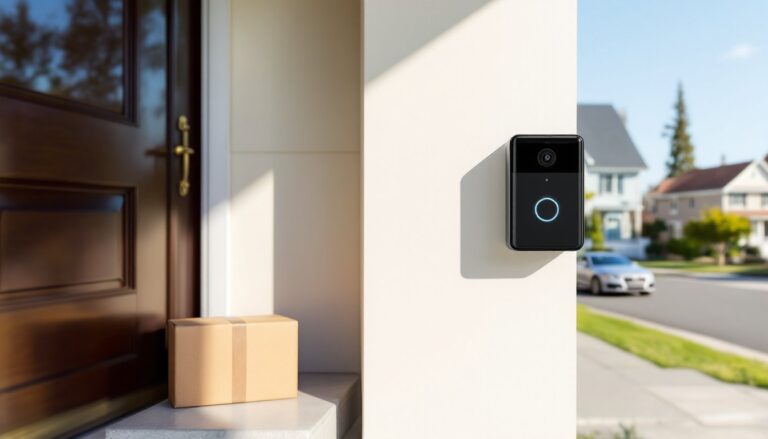
Not every property has reliable WiFi coverage, and not everyone wants their security footage bouncing through cloud servers. Whether you’re protecting a detached garage, monitoring a remote shed, or just prefer a system that doesn’t depend on your router staying online, security cameras without WiFi offer a practical alternative. These systems record locally, use cellular data, or run hardwired connections, no internet required. They’re particularly useful for off-grid locations, areas with spotty connectivity, or homeowners who want full control over their footage without monthly cloud fees. This guide walks through your options, installation steps, and what to consider before buying.
Table of Contents
ToggleKey Takeaways
- Security cameras without WiFi eliminate cloud storage fees and privacy concerns by recording locally or using cellular/hardwired connections, making them ideal for remote properties and off-grid locations.
- Wired systems (DVR/NVR with coaxial or ethernet cable) offer unlimited recording without bandwidth limits, while cellular cameras provide flexibility for areas beyond router range at $10–$30/month for data plans.
- SD card recording cameras provide the simplest no WiFi security camera option with zero subscriptions or network configuration, though they lack remote phone access and have limited storage capacity.
- Proper installation requires careful cable planning (under 300 feet for analog, 328 feet for Cat6), weatherproofing, and mounting cameras 8–10 feet high to balance coverage and tamper resistance.
- A security camera without internet dependency delivers superior reliability during power outages and connectivity issues while keeping all footage under your direct control with no recurring monthly fees.
Why Choose a Security Camera Without WiFi?
WiFi-free security cameras solve problems that internet-dependent systems can’t. In rural areas or outbuildings beyond the reach of your router, a cellular security camera no wifi or a wired system ensures coverage without running ethernet cable hundreds of feet. Power outages that knock out your modem won’t affect hardwired cameras on a separate circuit or battery backup.
Privacy is another driver. Footage stored on a local SD card or dedicated DVR/NVR (digital/network video recorder) stays on your property. There’s no risk of cloud breaches, third-party access, or subscription services quietly changing terms. For those concerned about data security, an off grid security camera no wifi keeps recordings entirely offline.
Cost matters too. Most WiFi cameras require ongoing cloud storage fees, $5 to $15 per camera per month adds up. A system with local recording has a higher upfront cost but zero recurring charges. You own the footage, the hardware, and the timeline.
Finally, reliability. WiFi cameras depend on bandwidth, signal strength, and router uptime. A wired or cellular camera eliminates those variables. If you’ve ever had a motion alert fail to send because the camera dropped offline, you know the value of a security camera that doesn’t need wifi.
Types of WiFi-Free Security Cameras for Your Home
Wired Security Cameras
Wired systems use coaxial cable (analog) or Cat5e/Cat6 ethernet (IP cameras) to transmit video directly to a recorder. These are the workhorses of commercial installations and adapt well to residential use. A typical security camera without internet setup includes four to eight cameras connected to a DVR or NVR box with a built-in hard drive (1TB to 4TB is common).
Pros: No signal interference, no bandwidth limits, and continuous power via PoE (Power over Ethernet) for IP cameras. Once installed, they run indefinitely without firmware updates or app logins.
Cons: Installation requires drilling, fishing cable through walls or conduit, and mounting the recorder box. Budget a full weekend for a four-camera install if you’re doing it yourself. Analog systems (using BNC connectors) max out at 1080p: IP systems support 4K but cost more.
When to use them: Best for new construction, whole-home security, or properties where you can run cable through an attic, crawlspace, or exterior conduit. Not ideal for renters or quick installs.
Cellular Security Cameras
Cellular cameras use a 4G LTE or 5G SIM card to transmit footage and alerts, bypassing WiFi entirely. They’re the go-to for remote locations, barn monitoring, job sites, vacation cabins, and pair well with solar powered security camera no wifi setups for true off-grid operation.
Most models include a SIM slot and require a data plan ($10 to $30/month depending on carrier and data cap). Some manufacturers bundle the SIM and plan: others let you bring your own. Footage can stream live to a phone app or record to an onboard SD card with alerts sent via text or push notification.
Pros: Install anywhere with cell signal. No router, no wiring, no drilling. Many smart home enthusiasts appreciate connected device flexibility that cellular systems offer for properties with multiple structures.
Cons: Ongoing data costs, and video quality degrades if cell signal is weak. Check carrier coverage maps before buying. Battery-powered models need recharging every few months unless paired with a solar panel.
When to use them: Rural properties, detached structures, construction sites, or anywhere a hardwired system isn’t feasible. Pair with a solar security camera no wifi panel to eliminate both wiring and battery swaps.
SD Card Recording Cameras
These standalone units record motion-triggered clips or continuous footage to a microSD card (typically 32GB to 256GB). They’re the simplest no wifi security camera option, mount the camera, insert the card, and you’re done. No hub, no recorder, no network.
Most offer local playback by removing the card and inserting it into a computer. Some include a small LCD screen on the camera body for on-site review. Motion detection settings and recording schedules are configured via physical buttons or a basic menu interface.
Pros: Dead simple. No subscription, no network configuration, no app dependency. A 128GB card holds roughly 20 to 40 hours of 1080p footage depending on compression.
Cons: Limited remote access. You can’t check footage from your phone unless the camera also supports cellular (some hybrid models exist). Card capacity is finite, older footage gets overwritten unless you manually archive it.
When to use them: Short-term monitoring, secondary cameras in low-traffic areas, or backup recording for primary systems. Also useful for homeowners who don’t want any connected devices on their property. Many reviews on platforms like Tom’s Guide highlight SD card cameras as reliable outdoor security camera without wifi choices for budget-conscious buyers.
How to Install a Non-WiFi Security Camera System
Tools and materials:
- Drill with masonry or wood bits (match bit to mounting surface)
- Cable clips or conduit for exterior runs
- Screwdriver set
- Voltage tester (for wired systems)
- Ladder
- Pencil and level
- Cable fish tape (if running through walls)
- Weatherproof junction box (outdoor installs)
Step 1: Plan camera placement. Walk the perimeter and identify coverage zones, entry points, driveways, blind spots. For wired systems, map cable runs from each camera back to the recorder location. Keep runs under 300 feet for analog, 328 feet for Cat6. For cellular or SD models, confirm adequate cell signal or sightlines if pairing with a solar panel.
Step 2: Mount the cameras. Mark pilot holes with a pencil and level. Drill appropriate holes for the mounting surface, 3/16″ pilot for wood siding, masonry bit and anchors for brick or concrete. Use stainless steel screws for exterior mounts. Position cameras 8 to 10 feet high to balance coverage and tamper resistance.
Step 3: Run cables (wired systems only). For exterior runs, use outdoor-rated coax (RG59 Siamese combines video and power) or shielded Cat6. Staple or clip cable every 12 to 18 inches along soffits or siding. For runs through walls, drill a small entry hole, fish the cable, and seal with silicone caulk to prevent water intrusion. Use conduit (1/2″ PVC or metal EMT) for exposed runs to protect from weather and rodents.
Step 4: Connect to the recorder or configure standalone settings. Wired cameras plug into the DVR/NVR via BNC or RJ45 connectors. Power on the system and check each feed on the monitor. For cellular cameras, insert the SIM card, power on, and follow the app pairing steps, usually a QR code scan. SD card cameras require formatting the card in-camera (consult the manual) and setting motion sensitivity and recording duration.
Step 5: Test and adjust. Walk through camera zones at different times of day. Adjust angles to minimize glare from direct sun or headlights. For motion-triggered models, tweak sensitivity to reduce false alerts from tree branches or passing cars. On wired systems, label each cable at the recorder for future troubleshooting.
Safety notes: Wear safety glasses when drilling overhead. If mounting near the roofline, use a stabilized ladder and have a second person foot it. For cameras near electrical service, use a non-contact voltage tester before drilling. If you’re uncomfortable with height work or running cable through finished walls, hire a licensed low-voltage installer, most charge $75 to $150 per camera for labor.
Permits: Most jurisdictions don’t require permits for security camera installation, but check local codes if you’re running new electrical circuits for dedicated recorder power. HOA rules may restrict visible cameras on front facades.
Conclusion
A security camera without wifi or internet isn’t a compromise, it’s often a more reliable, private, and cost-effective solution than cloud-dependent systems. Whether you choose wired reliability, cellular flexibility, or the simplicity of SD card recording, the right system depends on your property layout, coverage needs, and comfort with installation. Plan your camera placement carefully, invest in quality cable or a robust cellular plan, and don’t skip weatherproofing steps. With the right setup, you’ll have continuous monitoring without monthly fees, cloud dependencies, or connectivity headaches.