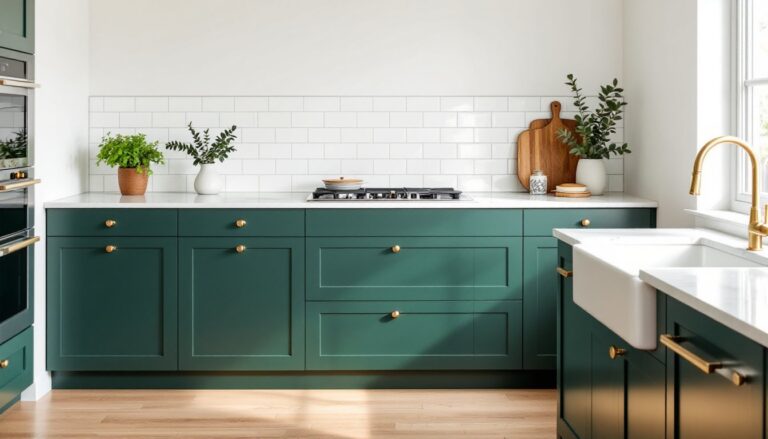
White refrigerators have staged a quiet comeback, and they’re not just for budget-conscious shoppers anymore. After years of stainless steel dominance, homeowners and designers are rediscovering the clean, versatile appeal of white finishes that work in virtually any kitchen style. Whether you’re hunting for a white refrigerator on sale, need a model with water and ice dispenser features, or simply want to refresh your kitchen without a full remodel, a white fridge offers surprising flexibility. The market in 2026 includes everything from cheap white refrigerator options for rental units to premium French-door models with ice makers that rival stainless counterparts. This guide walks through what makes white refrigerators a smart choice, how to pick the right configuration, and what to watch for when comparing finishes.
Table of Contents
ToggleKey Takeaways
- White refrigerators have made a strong comeback as a versatile, affordable alternative to stainless steel, with modern models featuring fingerprint-resistant finishes and 30–40% better energy efficiency.
- White refrigerators work across all design styles—from farmhouse to industrial—and maintain visual flow in open-concept homes without competing with bold décor or statement pieces.
- When selecting a white refrigerator, prioritize your space measurements, household size, and actual feature needs; French-door models offer premium capacity while top-freezer options provide budget-friendly reliability.
- A white refrigerator with water and ice dispenser features typically adds $200–$400 to the upfront cost and requires water line access, so confirm installation feasibility before purchasing.
- White finishes typically cost 10–20% less than stainless equivalents and benefit from holiday and September sale events; maintenance involves monthly gasket cleaning and biannual coil vacuuming to prevent yellowing.
- Surface scratches on white refrigerators are less visible than on stainless steel, and minor damage can be touched up with appliance paint, making white a more forgiving choice for active households.
Why White Refrigerators Remain a Top Choice for Modern Kitchens
White appliances never truly disappeared, they just got smarter. Today’s white refrigerators feature fingerprint-resistant finishes, integrated handles, and energy-efficient compressors that outperform older models by 30–40% in some cases. The appeal goes beyond nostalgia.
Homeowners appreciate white for its ability to recede visually in small kitchens or anchor bright, airy designs in larger spaces. Unlike stainless steel, which can look cold or industrial, white creates a softer palette that complements both traditional and contemporary cabinetry. It’s also easier to match when replacing a single appliance, no worrying about slight variations in stainless finishes between brands.
From a practical standpoint, white refrigerators hold up well in high-use households. Surface scratches are less visible than on darker finishes, and minor dings can often be touched up with appliance paint. If you’re shopping for a white refrigerator with ice maker functionality, you’ll find that white finishes are standard across most major brands, not relegated to base models.
Design Versatility and Style Compatibility
White works across design aesthetics, farmhouse, Scandinavian, coastal, mid-century, and even industrial when balanced with contrasting dark accents. Pair a white refrigerator with wood-tone cabinetry for warmth, or go monochromatic with white cabinets and subway tile for a gallery-like effect.
In open-concept homes, white appliances help maintain visual flow between kitchen and living spaces. They don’t compete with statement backsplashes, colorful islands, or bold hardware. If you’re renovating in phases, a white fridge won’t clash with future cabinet or countertop choices the way a trendy finish might.
Many designers now spec white appliances in high-end kitchens, especially in spaces with natural materials like soapstone, butcher block, or matte tile. The look feels intentional rather than budget-driven, especially when you choose a white refrigerator with water and ice dispenser features that signal quality.
Best White Refrigerator Styles and Configurations for Your Space
White finishes are available in every major refrigerator configuration. Your choice depends on kitchen layout, household size, and how you use cold storage.
Top-Freezer Models: The most affordable option, often found in white refrigerator sale events. Expect 18–22 cubic feet of capacity. These units fit tight spaces (30–33 inches wide) and deliver reliable performance without electronic frills. Ideal for rentals, garages, or secondary kitchens.
Bottom-Freezer Models: A middle-ground choice. Fresh food at eye level, freezer in a pull-out drawer below. Capacity ranges from 20–24 cubic feet. Look for models with adjustable shelving and humidity-controlled crispers. Many include ice makers in the freezer compartment.
Side-by-Side Refrigerators: Popular for narrow kitchens where door swing is limited. These split the fridge vertically, freezer on one side, fresh food on the other. Most include through-the-door ice and water dispensers. Freezer sections tend to be narrow, which can complicate storing wide items like pizza boxes.
French-Door Models: The premium segment. Fresh food on top with wide shelves, freezer drawer(s) below. Capacity often exceeds 25 cubic feet. Many white refrigerator with ice maker models in this category feature dual ice makers, one in the door, one in the freezer, plus adjustable temperature zones and LED lighting.
Counter-Depth Refrigerators: These align with standard cabinet depth (24–25 inches) for a built-in look without custom pricing. Capacity is slightly reduced compared to standard-depth models, but the streamlined profile works well in galley kitchens or spaces where protruding appliances disrupt traffic flow.
When shopping for a white refrigerator for sale, compare cubic footage against kitchen footprint. A 36-inch-wide French-door model needs at least 42 inches of clearance for full door swing, measure twice.
How to Choose the Right White Refrigerator for Your Kitchen
Start with measurements. Note the width, depth, and height of your existing space, including clearance for door swing and ventilation. Most manufacturers recommend 1 inch on each side and 1–2 inches above the unit for airflow. If you’re replacing a built-in model, confirm whether it’s counter-depth or standard-depth.
Capacity Considerations: A household of two can function with 18–20 cubic feet: families of four or more typically need 22–25 cubic feet. If you buy in bulk or prep meals in advance, prioritize freezer size. French-door models offer the most fresh-food space but can skimp on freezer capacity relative to side-by-sides.
Energy Efficiency: Look for the ENERGY STAR label. Modern refrigerators use 10–15% less energy than minimum federal standards. Annual operating costs for an efficient 25-cubic-foot model run $50–$75 in most regions. Avoid used units older than 10 years, they’ll cost more to run than a new cheap white refrigerator costs to purchase.
Feature Prioritization: Through-the-door ice and water dispensers add convenience but reduce interior space and increase upfront cost by $200–$400. If you’re buying a white refrigerator with water and ice dispenser, confirm your water line location, some kitchens require a plumber to extend supply lines. Ice maker-only models (no external dispenser) are a middle option.
Door Swing and Hinge Placement: Most refrigerators allow hinge reversal during installation, but confirm before purchasing. In tight galley layouts, consider whether a side-by-side or French-door configuration reduces aisle obstruction.
Finish Quality: Not all white finishes are created equal. Porcelain-coated steel resists chipping better than painted metal. Some brands offer textured or matte finishes that hide smudges better than glossy white.
Read recent appliance reliability data before committing to a brand. Compressor warranties typically run 5–10 years: parts and labor coverage is usually 1 year.
Maintaining and Cleaning Your White Refrigerator
White finishes show dust and fingerprints less than stainless steel, but they can yellow over time if not properly maintained. Routine care keeps the surface bright.
Weekly Cleaning: Wipe exterior surfaces with a damp microfiber cloth and a drop of dish soap. Avoid abrasive cleaners, they’ll dull the finish. For stubborn smudges, use a baking soda paste (3 parts baking soda, 1 part water). Apply gently with a soft cloth, then rinse.
Yellowing Prevention: Keep the fridge away from direct sunlight if possible. UV exposure accelerates yellowing on white plastic and painted surfaces. If your kitchen gets strong afternoon sun, consider window treatments or relocating the unit during a remodel.
Gasket Maintenance: Door gaskets collect crumbs and spills. Clean them monthly with warm soapy water and a toothbrush. Inspect for cracks or loss of flexibility, damaged gaskets reduce efficiency and increase energy costs. Most gaskets are replaceable and cost $50–$100.
Coil Cleaning: Condenser coils (usually on the back or beneath the unit) should be vacuumed twice a year. Dust buildup forces the compressor to work harder, shortening its lifespan. Use a coil brush or vacuum attachment to clear debris. Unplug the unit first.
Interior Spills: Clean spills immediately to prevent odors. Remove shelves and drawers every few months for deep cleaning with warm soapy water. Avoid harsh chemicals inside the fridge, they can transfer odors to food.
Stain Removal: For scuff marks or crayon (if you have kids), try a magic eraser sponge dampened with water. Test in an inconspicuous spot first, some finishes can be sensitive to melamine foam.
If the finish develops deep scratches, appliance touch-up paint is available in white from most hardware stores. Clean the area, apply thin coats, and let dry between applications.
White vs. Stainless Steel: Making the Right Appliance Decision
The choice between white and stainless steel often comes down to aesthetics, maintenance tolerance, and budget.
Cost: White refrigerators typically cost 10–20% less than stainless equivalents with identical features. If you’re looking for a white refrigerator sale, holiday weekends (Memorial Day, Labor Day, Black Friday) and September (new model releases) offer the deepest discounts. Stainless models rarely see the same percentage drops.
Fingerprints and Smudges: Stainless steel shows every fingerprint unless you opt for fingerprint-resistant finishes, which add $100–$200 to the price. White hides prints better but can show grease or food splatters more readily in high-traffic households.
Durability: Both finishes are durable when properly maintained. Stainless resists staining but dents easily. White can yellow with age or UV exposure but surface scratches are less noticeable.
Design Trend Longevity: Stainless has been the default “upgrade” finish for 20 years, which means it’s ubiquitous but risks feeling dated as trends shift. White’s resurgence positions it as both classic and current. In resale scenarios, either finish is acceptable to most buyers, kitchen layout and functionality matter more than appliance color.
Mixing Finishes: If you’re replacing one appliance, matching finishes matters less than it did a decade ago. Mixed metals and finishes are common in modern kitchen design, especially in eclectic or transitional styles. A white refrigerator can coexist with a stainless range if cabinetry, backsplash, or hardware ties the look together.
Repair Visibility: Scratches and dents on stainless steel are permanent and hard to hide. White appliances can be touched up with paint, making long-term ownership more forgiving if you have active kids or pets.
If you value low-maintenance and budget flexibility, white is the practical winner. If you want a high-polish, commercial look and don’t mind frequent wiping, stainless works, but expect to pay more upfront and in cleaning time.
Conclusion
White refrigerators offer a rare combination of affordability, versatility, and timeless appeal that works across design styles and budgets. Whether you’re sourcing a cheap white refrigerator for a rental property or investing in a premium model with water and ice dispenser features, the finish won’t limit your options. Measure carefully, prioritize the features you’ll actually use, and maintain the surface with routine cleaning to keep it looking fresh for years. In a market flooded with trendy finishes that come and go, white remains a safe, smart, and surprisingly stylish choice for any kitchen in 2026.